1. The Biopolymer Revolution & Processing Challenges
With stringent global bans on single-use non-biodegradable plastics, packaging converters worldwide are transitioning to certified compostable polymers such as Polybutylene Adipate Terephthalate (PBAT), Polylactic Acid (PLA), and Thermoplastic Starch (TPS). However, biopolymers exhibit distinct rheological behaviors compared to conventional Low-Density Polyethylene (LDPE), requiring modified extrusion parameters.
2. Rheology & Thermal Temperature Profile
PBAT is a semi-aromatic biodegradable polyester providing high flexibility and elongation at break, while PLA is a rigid biopolymer derived from fermented plant starch providing tensile strength. Blending PBAT and PLA (typically in 70:30 or 80:20 ratios) creates a balanced film suitable for carrier bags and produce packaging.
Because biopolymers are moisture-sensitive and prone to thermal degradation via hydrolysis, resin pre-drying is mandatory. Moisture levels must be maintained below 0.05% (500 ppm) prior to feeding into the extruder hopper. The recommended barrel temperature profile for PBAT/PLA blends is significantly lower than LDPE:
- Feed Zone 1: 135°C – 145°C (prevent early melting and hopper bridging)
- Compression Zone 2-3: 150°C – 160°C (gradual plasticization without polymer chain scission)
- Metering Zone 4: 160°C – 165°C (uniform melt flow)
- Adapter & Die Head: 165°C – 170°C (optimum melt viscosity for bubble expansion)
3. Air Ring Design & Bubble Stabilization
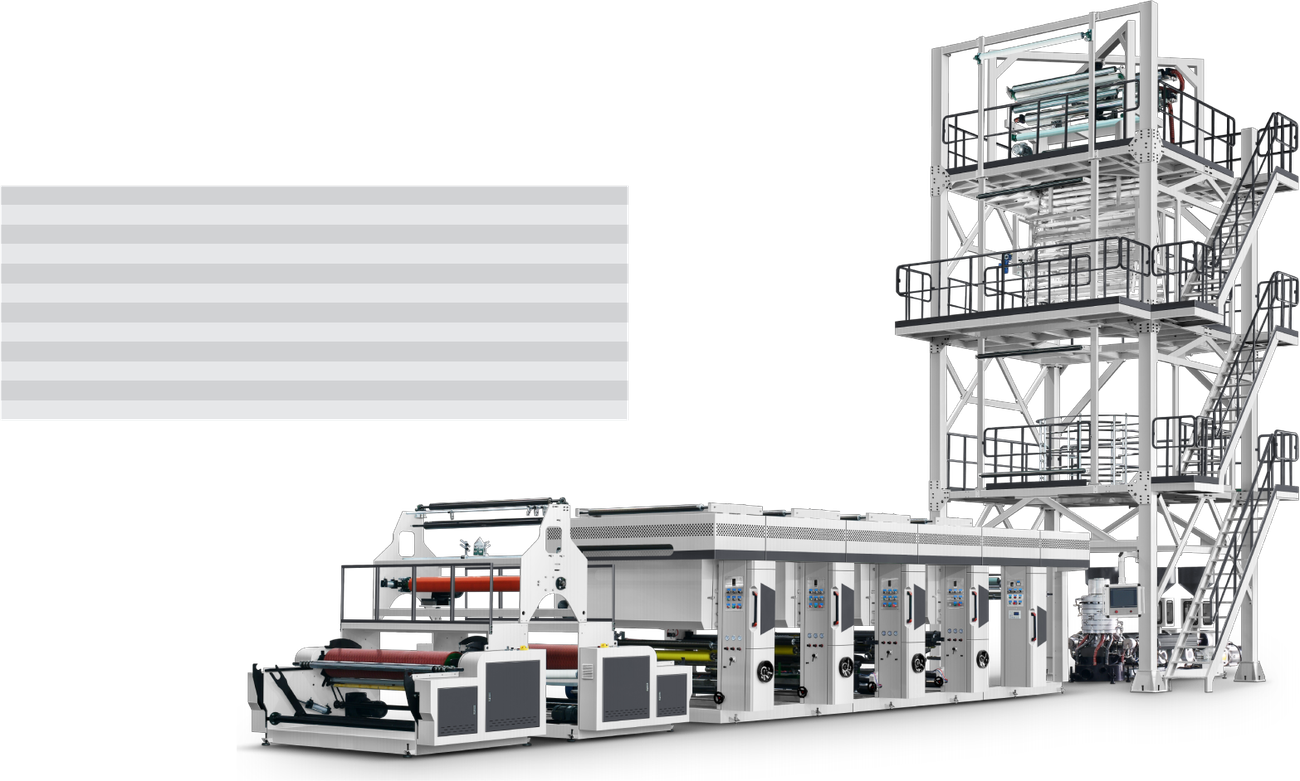
Biopolymer film melt exhibits lower melt strength and slower crystallization rates than polyolefins. Standard high-velocity air rings can cause severe film bubble swaying or collapse. Ashal Machinery equips its biodegradable film lines with dual-lip low-velocity air rings paired with chilled air blowers (air temperature 10°C–14°C) to accelerate polymer crystallization right above the die lip.
4. Heat Sealing & Converting Parameters
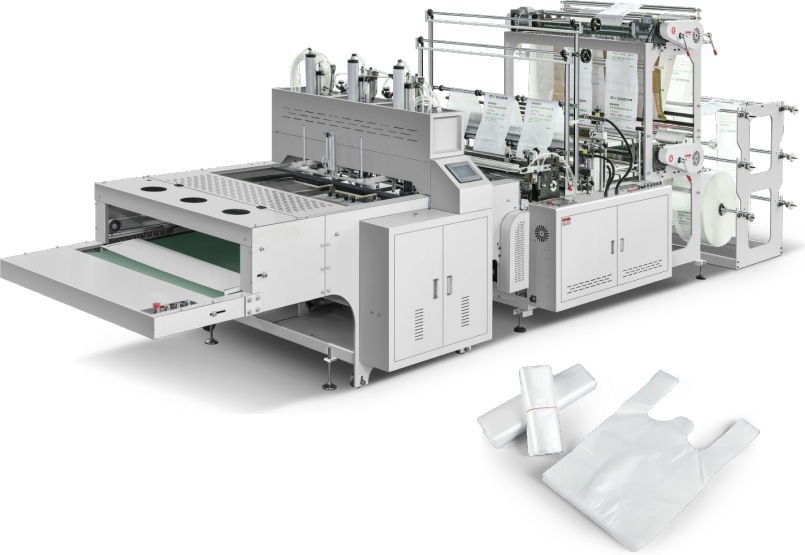
Converting compostable film into finished bags requires precise thermal control during heat sealing. Traditional high-temperature copper sealing bars can melt through PBAT film or cause severe seal distortion. Recommended sealing knife temperatures range from 135°C to 155°C with increased dwell pressure (0.4–0.5 MPa) and extended dwell time.
5. Quality Compliance & Certification Standards
Finished bags manufactured on Ashal PBAT/PLA lines meet international compostability standards including EN 13432 (European Industrial Compostability), ASTM D6400 (USA Standard), and OK Compost Home certification requirements.